A Light on History!


CART
700 Procter Street
Port Arthur, Texas, 77640
(409) 982-7000

Memorials/Donations
Dickie Richard
Born: November 12, 1938 Port Arthur, TX
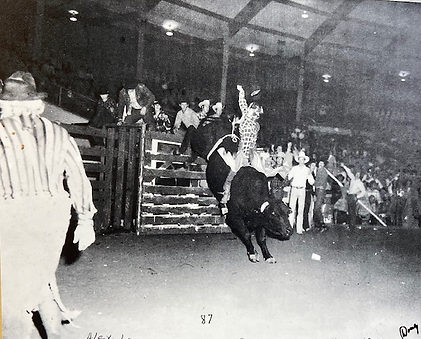
Dickie Richard is one of Southeast Texas’s most accomplished rodeo figures and a true Port Arthur original. Born in Port Arthur, Texas, in 1938, Richard attended St. Mary’s School (which later became Bishop Byrne Catholic School. Unlike many rodeo competitors, he did not grow up on a ranch. He got his start through friends, including Charlie Toups, practicing on a homemade “bucking door” suspended from a tree with a mattress attached.
Richard competed throughout Texas and Louisiana in bull riding and bareback riding, earning a reputation as a fearless and talented athlete. Over the course of his career, he won 40 buckles, including all-around and single-event championships in the National Intercollegiate Rodeo Association. He also went to the National Finals Rodeo twice. In 1963, he placed fourth in bull riding, and in 1966 he placed third in bull riding in the Southwestern Rodeo Association in Texas.
Richard became World Champion All-Around, Bull Riding Champion, and Bareback Riding Champion in the Old Timers Rodeo Cowboys Association in 1980. He was also a six-time Louisiana Rodeo Association champion, further cementing his place as one of the region’s standout rodeo competitors.
One of Richard’s most important contributions came after a severe injury from a bull named Cowboy Dream. The accident knocked out teeth, cracked his palate, and caused serious facial trauma. Afterward, Richard adapted a baseball catcher’s mask for bull riding, working with his wife, Barbara, to secure it properly for rodeo use. That custom mask helped protect him when he returned to competition and became an early example of protective face gear in bull riding.
Barbara also helped design protective padding and custom chaps to reduce bruising and injuries from repeated impacts. Together, those handmade pieces reflected the creativity and toughness of rodeo life before modern protective equipment became common.
Richard’s story combines championship success, practical invention, hard work, and deep Southeast Texas roots. Through his equipment, photographs, and memories, Dickie Richard’s rodeo legacy continues to show how a Port Arthur competitor helped shape both the culture and safety of the sport.